
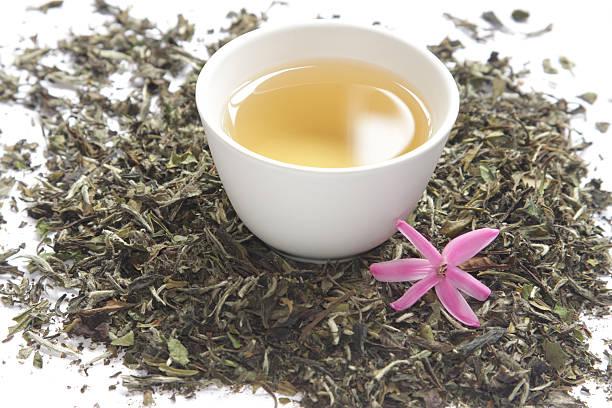
Introduction:
While exploring different types of tea, white tea kept coming up as something “special” and “delicate.” As a visitor trying to understand tea beyond just taste, I wanted to know what actually makes white tea different. The more I learned, the more I realized that white tea isn’t just another variety—it’s a completely different approach to tea processing.
What Exactly Is White Tea?
White tea is made from the Camellia sinensis plant, the same plant used for black, green, and oolong tea. What sets white tea apart is how early the leaves are picked and how little they are processed.
White tea usually uses:
- Young tea buds
- Very tender leaves
- Leaves covered with fine white hairs (giving it the name “white tea”)
White tea is classified as the least processed traditional tea.
How White Tea Is Made (Step-by-Step)
White tea follows one of the simplest production processes in the tea world:
- Selective Plucking
- Only young buds or very young leaves are hand-picked.
- Natural Withering
- Leaves are spread out and allowed to wither naturally in air or sunlight.
- Gentle Drying
- Low heat is used to remove moisture without damaging the leaves.
Unlike black or green tea:
- No rolling is required
- No heavy oxidation is encouraged
- No steaming or pan-firing is used
This minimal handling preserves the tea’s natural structure.
Components Found in White Tea
White tea naturally contains:
- Polyphenols and catechins
- Antioxidants
- Mild caffeine
- Natural plant compounds
Because it undergoes very little processing, many of these components remain intact.Studies suggest lightly processed teas retain high antioxidant levels
Healthline – White Tea Benefits)
Taste Profile: What White Tea Feels Like
From a visitor’s experience, white tea is not bold or strong. Instead, it offers:
- Soft and smooth flavor
- Slight natural sweetness
- Very low bitterness
- Clean and calming aftertaste
White tea is usually enjoyed without milk or sugar to preserve its natural taste.
Health Benefits of White Tea
White tea is often chosen for its gentle benefits:
- Supports antioxidant intake
- Feels easy on digestion
- Lower caffeine compared to black tea
- May support skin and overall wellness
Its mild nature makes it suitable for regular consumption.
White Tea Compared to Other Teas
Compared to green tea, white tea is:
- Less processed
- Softer in taste
- Lower in bitterness
To understand this difference clearly, you can read Green Tea Explained: How It’s Made and Its Benefits.
White tea is also much lighter than black tea, which undergoes full oxidation. This is explained in Black Tea: How It Is Made, What It Contains, and Its Benefits.
Who Should Choose White Tea?
From what I’ve learned, white tea is ideal for:
- Beginners exploring tea
- People sensitive to caffeine
- Customers looking for premium, natural tea
- Vendors offering specialty or high-quality tea selections
Final Thoughts
White tea taught me that sometimes less really is more. Its gentle processing, natural components, and calm taste make it stand out among other teas. For anyone interested in understanding tea at a deeper level, white tea is a great place to slow down and learn.


