
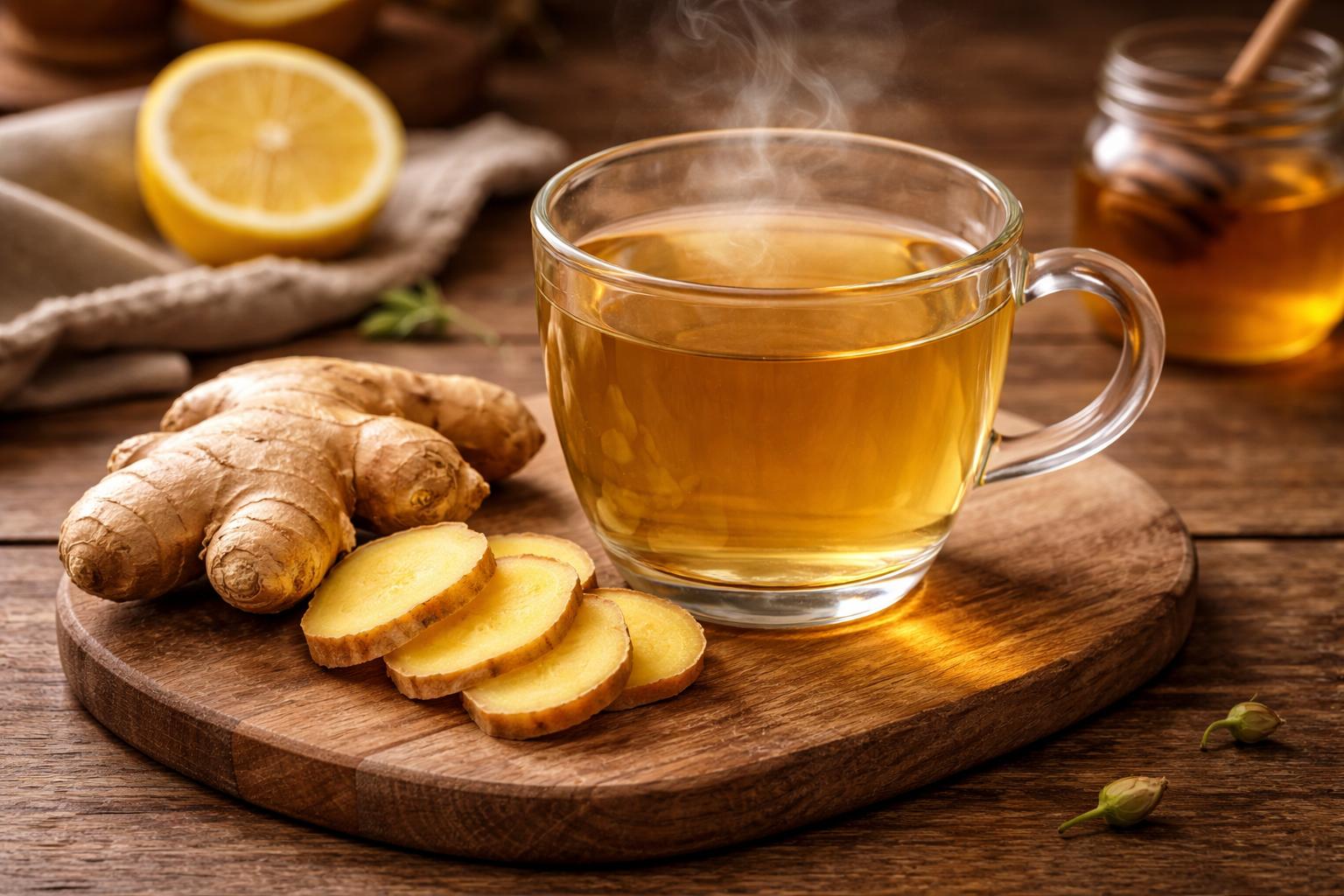
Ginger Tea: The Warm, Spicy Cup That Surprised Me Every Time
I first tried ginger tea out of desperation, not curiosity. My stomach was unsettled one evening and someone suggested a cup of ginger tea. I was sceptical. It sounded too simple to actually help. But within twenty minutes of finishing that cup, I felt noticeably better. That was the moment ginger tea earned a permanent place in my routine.
What started as a remedy quickly became a habit. Not just when I felt unwell, but on cold mornings, after heavy meals, and on days when I needed something warming without the heaviness of coffee or the boldness of black tea.
What Exactly Is Ginger Tea?
Ginger tea is a herbal infusion made by steeping fresh or dried ginger root in hot water. Like chamomile and peppermint, it does not come from the Camellia sinensis plant — which means it contains no caffeine naturally. The heat, the spice, and the warmth all come entirely from the ginger root itself.
Ginger has been used in traditional medicine across Asia, the Middle East, and South Asia for thousands of years — not just as a flavouring, but as a remedy for digestion, nausea, cold and flu symptoms, and inflammation. You can read more about ginger’s history and uses on Wikipedia: https://en.wikipedia.org/wiki/Ginger
How Ginger Tea Is Made
What I appreciated most about ginger tea is how honest the process is. There is very little between the root and your cup.
Fresh ginger root is harvested and cleaned. It is then either used fresh, sliced thinly and steeped directly in hot water, or dried and ground into powder for tea bags and blends. Some producers also create ginger tea blends that combine ginger with lemon, turmeric, black pepper, or honey for added flavour and effect.
To make it at home: slice four to five thin pieces of fresh ginger root, steep them in boiling water for seven to ten minutes, strain, and add honey or lemon to taste. The longer you steep, the stronger and spicier the flavour becomes.
What Makes Ginger Tea Worth Drinking
🫚 It Settles the Stomach Almost Immediately This is the first thing most people notice. Ginger contains natural compounds called gingerols and shogaols that have been studied for their effect on digestion and nausea. Whether it is motion sickness, an upset stomach, or discomfort after eating, ginger tea has a calming effect that is hard to argue with.
🔥 It Warms You From the Inside On a cold day, ginger tea does something no other herbal tea quite manages. It creates a gentle warmth that spreads through the body slowly. It is the kind of warmth that feels earned, not artificial.
🌿 It Is Naturally Anti-Inflammatory Ginger has been widely studied for its anti-inflammatory properties. Regular consumption is associated with reduced muscle soreness, improved circulation, and general immune support. According to Healthline, ginger contains bioactive compounds that may help the body fight inflammation and infection: https://www.healthline.com/nutrition/11-proven-benefits-of-ginger
💧 It Is Completely Caffeine-Free Like all pure herbal teas, ginger tea contains no caffeine. This makes it suitable for any time of day, including evenings, without affecting sleep.
How Ginger Tea Compares to Other Herbal Teas
Ginger tea is bolder and more assertive than chamomile. Where chamomile is soft and floral, ginger is warm and spicy. They serve different purposes — chamomile is what you reach for when you want calm and sleep, while ginger is what you reach for when you want energy, warmth, or digestive relief.
If you want to understand how these herbal teas differ from traditional tea leaves and why they are categorised separately, our guide on Herbal Tea Explained: What It Is, How It Works, and Why People Love It covers this in detail. (internal link — Herbal Tea blog)
And if you enjoy ginger tea’s warming quality but are curious about teas that also contain caffeine, our guide on Black Tea: How It Is Made, What It Contains, and Its Benefits (internal link — Black Tea blog) is a good comparison.
A Simple Ginger Blend Worth Trying
Fresh ginger root — 4 to 5 thin slices
Hot water — 250ml at boiling temperature
Half a lemon — squeezed in after steeping
One teaspoon of honey — stirred in at the end
Optional: a small pinch of turmeric or black pepper for extra warmth
Steep the ginger for 8 minutes, strain, add lemon and honey, and drink while hot. This blend works especially well first thing in the morning or after dinner.
Final Thoughts
Ginger tea taught me that the best remedies are often the oldest ones. There is nothing complicated about it — just a root, some hot water, and centuries of people figuring out that this combination works. Whether you drink it for digestion, warmth, or simply because you enjoy the spicy bite of it, ginger tea is one of those cups that earns its place on the shelf. 🫚


